Scheduling manicures and nail corrections isn't merely a matter of routine beauty upkeep; it embodies a thoughtful balance between preserving nail health and achieving the desired aesthetic. Whether you are an avid manicure enthusiast or just stepping into professional nail care, understanding the appropriate intervals for manicures and corrections is pivotal. This knowledge helps you maintain the integrity of your nails and surrounding skin, prevent damage, and ensures that treatments produce gratifying, long-lasting results.
This editorial addresses individuals seeking a nuanced explanation of manicure frequency from an experienced beauty professional perspective, offering insight into how various personal and technical factors influence scheduling. We will navigate the subtle interplay of nail growth rates, lifestyle influences, treatment types, and product choice, all contributing to determining how often you should book your next appointment. By analyzing these elements thoroughly, you'll approach your next salon visit with confidence and a clear strategy tailored to your nails’ unique needs.
In the ecosystem of manicure and nail care, making informed scheduling decisions transcends aesthetics—it's about sustaining nail health, preventing complications, and ensuring your hands convey polish and professionalism. Let's delve into the essential principles behind planning manicure and correction appointments with precision and care.
Balancing Nail Growth and Treatment Longevity: The Science Behind Scheduling
Human nails typically grow between three to four millimeters every month, a factor fundamentally shaping how frequently a manicure or correction needs to be renewed. When applying treatments like classic polish, gel enhancements, or acrylic overlays, the visible natural nail extends beyond the applied product as it grows, thereby affecting the manicure’s appearance and structural stability.
For routine nail polish, the relatively short lifespan of traditional lacquers—prone to chipping usually within a week—dictates more frequent reapplications to maintain a flawless appearance. Therefore, scheduling classic polish manicures every 10 to 14 days usually suffices to keep nails looking fresh without risking overtreatment or damage through excessive filing or buffing.
In contrast, gel and acrylic nail systems offer longer durability, typically holding their integrity for three to four weeks. Yet, beyond aesthetics, this timeframe also limits exposure to the risk of product lifting, moisture ingress, and subsequent fungal or bacterial infection under the enhancements, making timely corrections crucial for nail health.
This biological and material balance underscores the essential timing considerations; waiting too long between manicures or corrections increases vulnerability to damage, while over-frequent visits may not allow natural nails sufficient recovery—highlighting the need for a strategic schedule aligned with your personal nail growth and type of manicure.
The Role of Individual Lifestyle and Nail Characteristics in Scheduling
It’s imperative to recognize that scheduling isn’t a one-size-fits-all formula. Work environments, hobbies, diet, and even genetics influence nail strength, brittleness, and growth speed. People working with water, detergents, or chemicals often experience accelerated nail wear, necessitating closer maintenance intervals to prevent splitting or excessive damage.
Nail architecture also varies substantially. Thin and fragile nails may require longer recovery periods between treatments to avoid weakening the nail plate, while robust, healthy nails can better tolerate regular upkeep. Seasonal changes play a part too; colder months tend to dehydrate nails and cuticles, calling for more restorative care and possibly extended intervals between harsh treatments.
Understanding your own nails’ responses to different conditions and treatments through observation and consultation with your technician enables you to create a customized schedule. Factors such as previous reactions, sensitivity, and the presence of existing nail or skin conditions should all influence how frequently you book your appointments.
Impact of Treatment Selection and Quality Materials on Appointment Frequency
The choice of manicure technique and products significantly impacts how often corrections and fresh manicures are necessary. High-quality gels, acrylics, or shellac products applied by skilled technicians contribute to extended manicure longevity and reduced damage, allowing for longer intervals between visits without compromising appearance or durability.
Conversely, substandard products or inexperienced application can accelerate chipping, lifting, or nail damage, forcing earlier reappointments. Recognizing this dynamic highlights the importance of selecting reputable salons and well-trained professionals who use certified materials, ensuring your nails are treated with both efficacy and safety in mind.
When considering nail enhancements, understanding the interplay between the treatment’s inherent durability and your lifestyle factors will guide appointment timing. For instance, heavier use of hands or exposure to harsh environments may shorten the effective life of enhancements, signaling a need for more frequent corrections despite using premium materials.
Strategic Communication and Scheduling with Your Manicurist
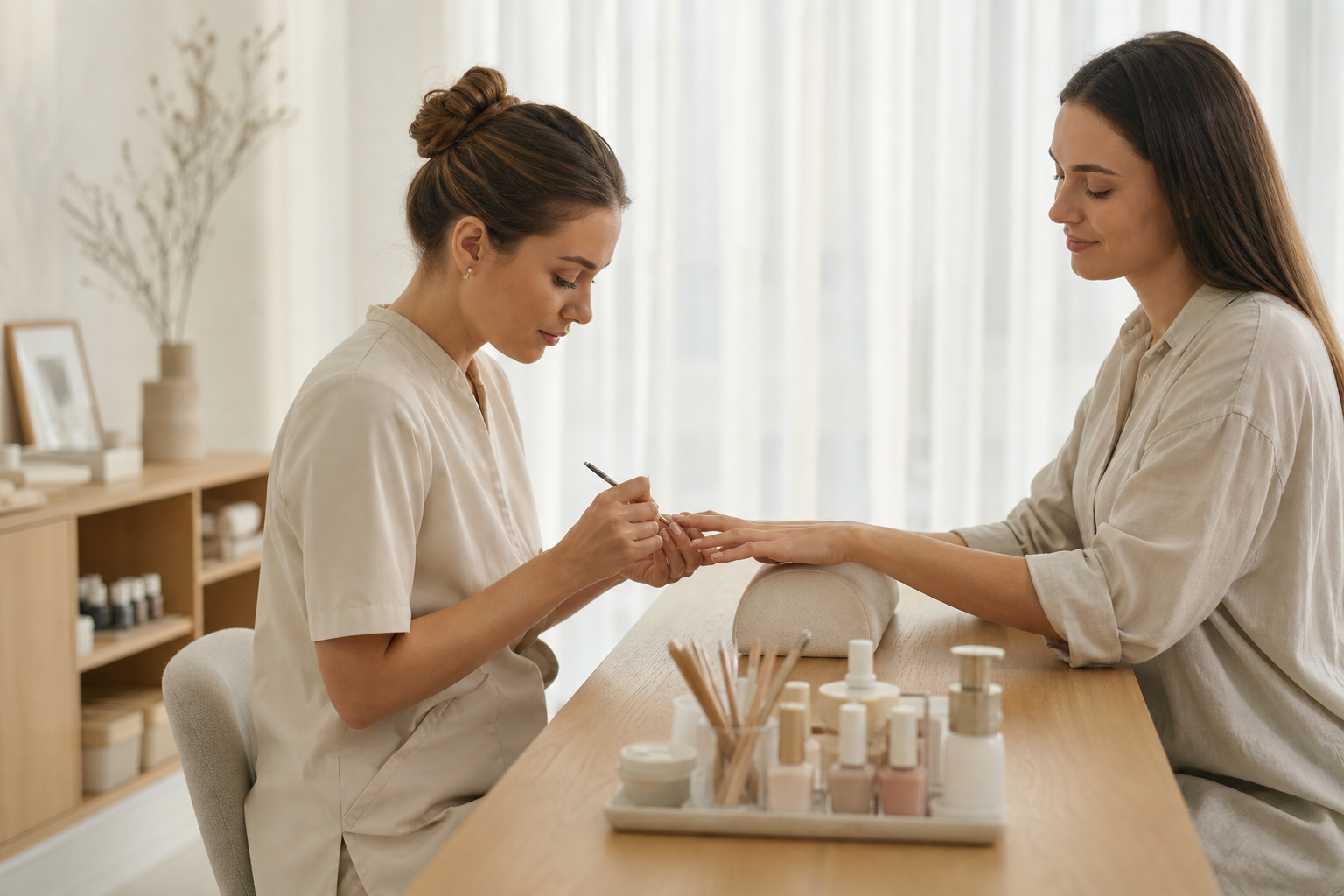
Optimal scheduling begins with clear, candid communication with your nail technician. Articulating your lifestyle habits, past reactions, and aesthetic goals allows the professional to devise an appropriate care plan. Regular assessments during appointments enable ongoing adjustment to intervals, reflecting changes in nail condition or client preference.
Planning appointments with enough lead time is particularly important when aiming to align manicures with special events or seasons. Early scheduling prevents rushed procedures and affords your nails sufficient recovery between treatments, protecting their long-term health.
Clients should also inquire about cancellation policies and flexibility in rescheduling. Real-life demands can affect adherence to ideal schedules, so working with a salon that accommodates honest adjustments helps maintain consistent and safe nail care routines.
Circumstances Necessitating Professional Medical Consultation Before Scheduling
While manicures are primarily cosmetic, certain nail and skin conditions warrant medical evaluation before proceeding with treatments. Signs such as discoloration, persistent inflammation, pain, or deformation of the nail plate indicate potential underlying issues requiring dermatologist assessment.
Additionally, clients with systemic diseases like diabetes or autoimmune disorders should approach nail treatments cautiously, coordinating with healthcare providers to ensure safety and prevent complications. Skilled manicurists versed in identifying these warning signs play an essential role in guiding clients toward appropriate professional advice.
Prioritizing consultation when necessary safeguards not only nail appearance but also overall health, avoiding inadvertent exacerbation of infections or irritations through inappropriate manicure timing or procedures.
Maintaining Manicure Longevity Through Thoughtful Scheduling and Home Care
Adhering to recommended intervals for manicures and corrections helps sustain the condition and appearance of nails but must be complemented by diligent home care to extend the effect. Regular moisturizing of cuticles and nails, avoiding harsh chemicals, and resisting the urge to peel or forcibly remove polish prevent premature damage.
Understanding the relationship between maintenance appointments and daily care empowers clients to have manicures that remain beautiful longer, reducing the frequency of costly or invasive salon visits. Furthermore, investing in trustworthy salons and experienced professionals ensures that advised schedules truly reflect what is best for your nails, not just the business rhythm.
In essence, the meticulous combination of salon expertise, quality materials, individualized timing, and attentive aftercare culminates in the optimal experience of manicured nails that are healthy and visually striking.