Manicures are widely embraced as an integral part of personal grooming and aesthetic care, pursued by individuals keen to maintain clean, attractive nails and hands. While the allure of perfectly polished nails is undeniable, recognizing the precise moments when a manicure should be postponed is crucial. Nail and surrounding skin changes not only impact the effectiveness and appearance of nail treatments but can also signify underlying health concerns or risks that require attention before proceeding.
This comprehensive editorial addresses those subtle yet significant indications in nail and skin condition that necessitate delaying a manicure. It is crafted for enthusiasts who regularly enjoy professional nail care and for beauty and dermatology practitioners who aim to safeguard client wellbeing. Understanding the biological mechanisms and practical implications behind various nail and skin alterations empowers safer, more informed decisions that prevent complications and foster lasting nail health.
Through a detailed exploration of visible symptoms such as color shifts, texture changes, infections, and skin inflammation, this article elucidates how these signals relate to potential contraindications for manicure procedures. Emphasizing hygiene protocols and medical consultation when appropriate, the discussion underscores an integrative perspective combining aesthetics, safety standards, and clinical prudence. Recognizing when deferring nail services transitions from precaution to necessity protects clients from adverse outcomes and aligns nail care with rigorous health considerations.
Identifying Significant Nail Alterations That Signal Treatment Delays
Nails offer insight not only into personal wellbeing but also into systemic health issues. Distinct alterations in nail coloration or texture can suggest infections, trauma, or chronic dermatological disorders that necessitate a pause in manicuring activities. A common example is the emergence of yellowish or greenish hues under or on the nail plate, a telltale indication of fungal involvement demanding professional evaluation prior to any cosmetic intervention.
Similarly, red or purplish discolorations around the nail folds may represent inflammatory responses requiring medical assessment. Differentiating between minor, transient nail changes—such as white spots or mild peeling often caused by mechanical trauma or chemical exposure—and more serious abnormalities is vital. For instance, persistent thickening, splitting, or deformities may reflect underlying conditions like psoriasis or infections that contraindicate manicure until properly addressed.
More subtle or early-stage systemic signs can also manifest in nail abnormalities, including longitudinal ridging or dark streaks, which sometimes preface serious diagnoses like melanoma. In such scenarios, performing routine manicures without medical clearance could obscure critical diagnostic indicators and potentially exacerbate health problems. Therefore, careful scrutiny of nail appearance before treatment initiation forms a foundational step in clinical nail care protocols.
Critical Skin Changes Around the Nails as Explicit Contraindications
The skin surrounding the nail—comprising the cuticle and adjacent folds—is susceptible to a spectrum of conditions from irritations and dermatitis to infections that contraindicate immediate manicure procedures. Symptoms such as redness, itching, scaling, or crusting often signal contact dermatitis, frequently triggered by exposure to harsh chemicals found in nail products. Proceeding with treatment under these circumstances can aggravate the dermatologic condition, prolong healing time, and increase client discomfort.
More overt infections, such as paronychia, involve inflammation, swelling, pain, and sometimes purulent discharge near the nail margin. This acute condition demands prompt medical intervention and deviation from manicure schedules until complete resolution. Neglecting these signs risks spreading infection, further tissue damage, or chronic complications.
Additionally, viral infections like herpes simplex may present lesions on the fingers or around nails, posing an infection transmission risk during close-contact beauty treatments. Recognition of such viral outbreaks necessitates strict deferral of manicures, protecting both clients and nail technicians from contagious exposure. Incorporating routine pre-treatment skin assessments bolsters infection control measures and supports safer nail salon environments.
The Impact of Previous Chemical and Physical Nail Procedures on Treatment Timing
Repeated or improper exposure to chemical agents—including nail polishes, removers (especially those containing acetone), and disinfectants—can substantially diminish nail and skin integrity. Signs of chemical overuse encompass dryness, brittleness, peeling, and a heightened propensity for nail damage. In such contexts, immediate manicuring with harsh or invasive techniques exacerbates vulnerability, potentially leading to nail matrix injury or secondary infections.
Professional guidelines recommend postponing manicure services for clients exhibiting visibly thinned, fragile nails or excessively dry surrounding skin, favoring remedial care to restore barrier function before cosmetic processes. Employing aggressive procedures like prolonged soaking, mechanical filing, or cuticle cutting on compromised tissue elevates risks for inflammation and infection.
Physiological states such as pregnancy also influence nail and skin conditions due to hormonal fluctuations. These changes often manifest as increased fragility or dryness, calling for gentle product selection and customized treatment plans. Consultation with healthcare providers and conscious avoidance of toxic or allergenic substances further enhance safety and comfort during pregnancy-related nail care.
Maintaining Sterilization and Hygienic Practices as a Preventative Foundation
Implementing comprehensive sterilization and hygiene protocols is fundamental to mitigating infection risks related to manicure services. Utilizing sterilized or disposable tools for each client uninterruptedly reduces microbial transmission and cross-contamination. Nail technicians bear responsibility for meticulous cleaning regimens and adherence to regulatory standards tailored to instrument sanitation.
Alongside instrument care, practitioner hygiene—including effective handwashing, the use of protective gloves and masks where appropriate, and application of disinfectants on treatment surfaces—creates a safe environment conducive to healthy nail care. The presence of visible nail or skin abnormalities in clients must trigger thorough evaluation and, if necessary, postponement of treatments alongside transparent communication regarding potential health implications.
Continuing education regarding evolving pathogens and best hygiene practices underpins professional competence and client trust. Equipping personnel with knowledge on symptom recognition and infection control principles forms a pivotal safeguard against inadvertent exposure to health hazards within salon contexts.
When to Consult Medical Professionals Prior to Nail Services
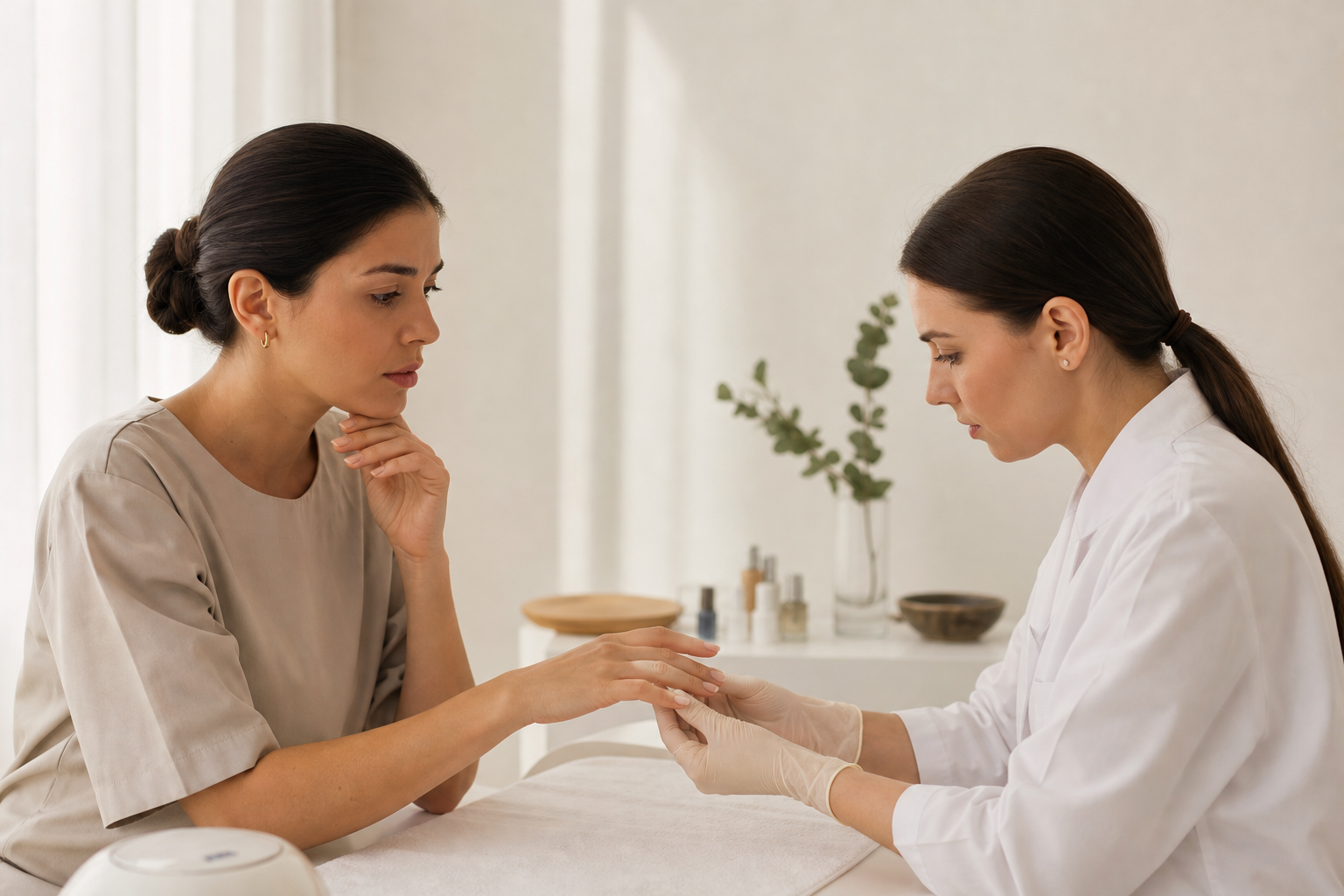
Certain nail and skin presentations warrant specialist evaluation to ascertain underlying pathology before undertaking any cosmetic procedures. Persistent inflammation, unhealed wounds, unusual growths, or recurrent bleeding should prompt referral to dermatologists or general practitioners for comprehensive diagnosis and management.
Clients with chronic systemic illnesses such as diabetes or immunosuppressive conditions carry increased susceptibility to complications stemming from nail treatments. Collaborative care models involving healthcare providers and nail professionals benefit these populations by tailoring safe, effective nail care strategies that respect individual medical vulnerabilities.
Allergy testing or medical clearance forms integral components of the preparatory process for clients with histories of sensitization to nail products or related substances. This precaution reduces the likelihood of adverse reactions and aligns cosmetic practices with contemporary health protocols emphasizing client safety.
Specific Circumstances and Recovery Phases Requiring Treatment Postponement
In the aftermath of acute nail trauma—such as cuts, bruises, or detachments—delaying manicure services until complete healing is advisable to forestall infection risk and facilitate natural tissue regeneration. Applying nail lacquers or using electric files on damaged nails may intensify pain or engender further disruption of delicate structures.
Seasonal variations impacting skin moisture, especially during cold, dry winters, necessitate modifications in treatment approaches. Clients experiencing marked skin dehydration or fissuring benefit more from conservative, emollient-based regimens temporarily substituting standard manicures aimed at aesthetic enhancement.
Even following symptomatic improvement, nails and tissues typically require a sufficient growth and recovery window before resuming full manicure treatments. This interval allows restoration of barrier integrity and minimizes relapse or chronicity of previous conditions, ensuring durable positive outcomes.