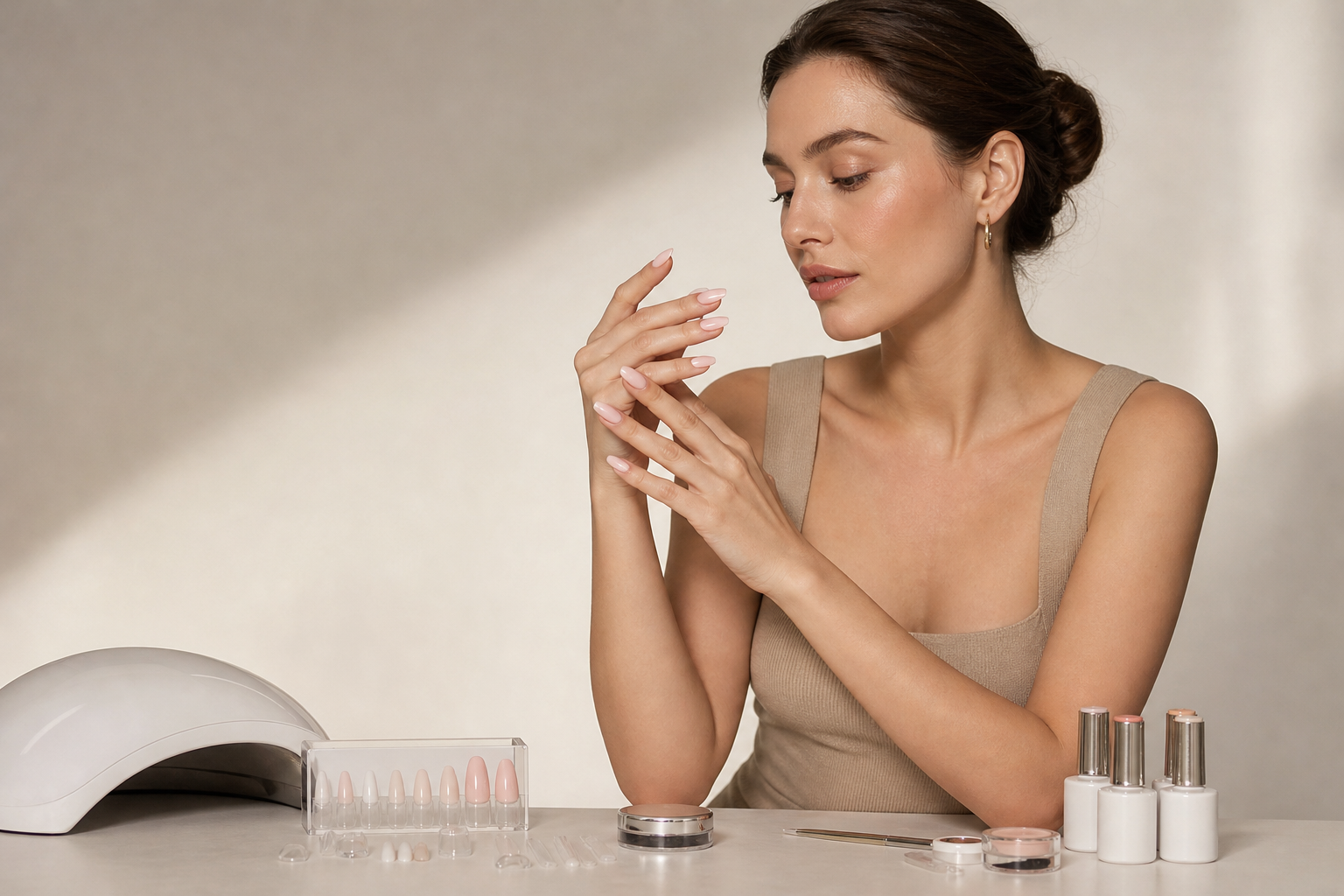
Nail enhancements have evolved tremendously over the years, offering a variety of options tailored to different lifestyles, preferences, and nail health conditions. Among the myriad of materials available for nail augmentation, acrylic gel and polygel stand out as uniquely versatile and effective solutions. Both offer a blend of durability and aesthetic appeal, but they work through different mechanisms and suit different types of nail enhancement needs.
This article addresses the practical and technical differences between acrylic gel and polygel, guiding nail professionals and enthusiasts alike through their application processes, performance characteristics, and suitability for various clients. Understanding these distinctions is crucial for making informed decisions that balance beauty, nail integrity, and maintenance demands, particularly against the backdrop of evolving manicure trends and increasing client expectations.
Whether you are a seasoned nail technician considering integrating these materials into your practice or an individual exploring the best way to achieve long-lasting, attractive nails, this examination of acrylic gel versus polygel delves into how each material works, examines their benefits and constraints, and highlights the importance of professional evaluation and tailored care.
Fundamental Composition and Application Process of Acrylic Gel and Polygel
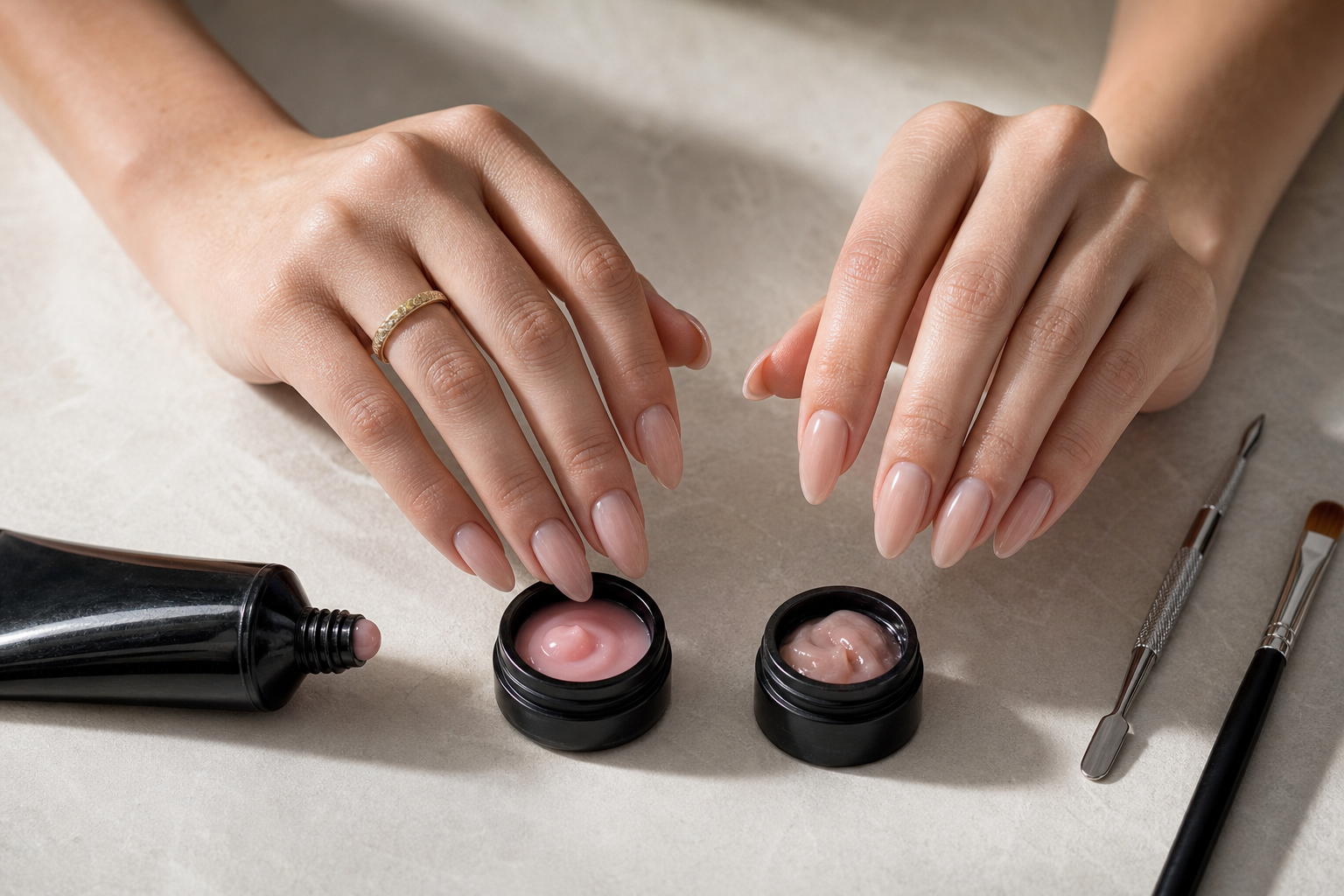
Acrylic gel is a hybrid polymer system that combines the toughness of acrylics with the flexibility of gels. It typically comes in a thicker gel form that requires curing under an LED or UV lamp, allowing for quick hardening and the creation of a strong, sculpted nail shape. The chemical formulation incorporates a resin and photoinitiators that react to light exposure, enabling controlled setting times and precision during application.
Polygel, by contrast, is a relatively modern innovation that blends characteristics of both acrylic powder and traditional gels into a viscous, paste-like consistency. It is not self-curing and must also harden under LED or UV light. This material offers greater moldability since it does not run or drip, which gives the technician a longer working window to perfect shapes and designs without premature setting. This balance of pliability before curing and robustness after provides a user-friendly medium for diverse nail enhancements.
Both materials require an attentive finishing stage where filing and polishing create the desired smoothness, shine, and refining of the nail's architectural curves. Adequate curing, precise layering, and controlled shaping are instrumental to achieving a durable and visually appealing result, whether the aim is subtle natural enhancements or elaborate nail art foundations.
Ideal Client Profiles for Acrylic Gel Nail Enhancements
Acrylic gel is particularly suitable for clients who prioritize strength and longevity in their nail enhancements. This includes individuals with physically demanding routines or occupations where nails are susceptible to frequent impact or mechanical stress. Thanks to its rigidity and impact resistance, acrylic gel can better withstand the rigors of manual labor compared to softer gel formulations.
It serves well those seeking to correct nail deformities or elongate nails while maintaining firm support. Its quick curing properties also facilitate efficient salon workflows, which is beneficial for busy clients requiring dependable and fast treatments. Acrylic gel’s resilience means it’s less prone to chipping or cracking, which reduces the frequency of repair sessions.
Nevertheless, clients with known sensitivities to acrylates or those who are concerned about chemical odor during application should consult experienced nail technicians for allergy assessments and might explore alternative options. Proper maintenance is vital for preserving nail health when using acrylic gel, underscoring the need for regular professional upkeep.
Polygel as a Contemporary Solution for Flexible and Natural-looking Nails
The popularity of polygel stems from its adaptability and client-friendly characteristics. It nurtures a natural aesthetic appeal while adding enhanced durability compared to traditional gel nails. Its consistency facilitates controlled shaping without dripping, reducing application errors and allowing more intricate freeform work.
This makes polygel broadly appealing to clients new to nail extensions or those with more sensitive nail beds and delicate surrounding skin. Its formulation generally has lower odor and fewer airborne particles than acrylic powders, increasing comfort during the nail application process.
Salons value polygel for its balance between working time and curing speed, making treatments efficient without rushing the sculpting phase. Its flexibility after curing also makes it a preferred choice for clients wanting a lighter feel without compromising structural integrity. This quality can be particularly beneficial for those who prefer a subtle extension or enhancement that blends seamlessly with their natural nails.
Safety Practices and Hygiene Standards when Using Acrylic Gel and Polygel
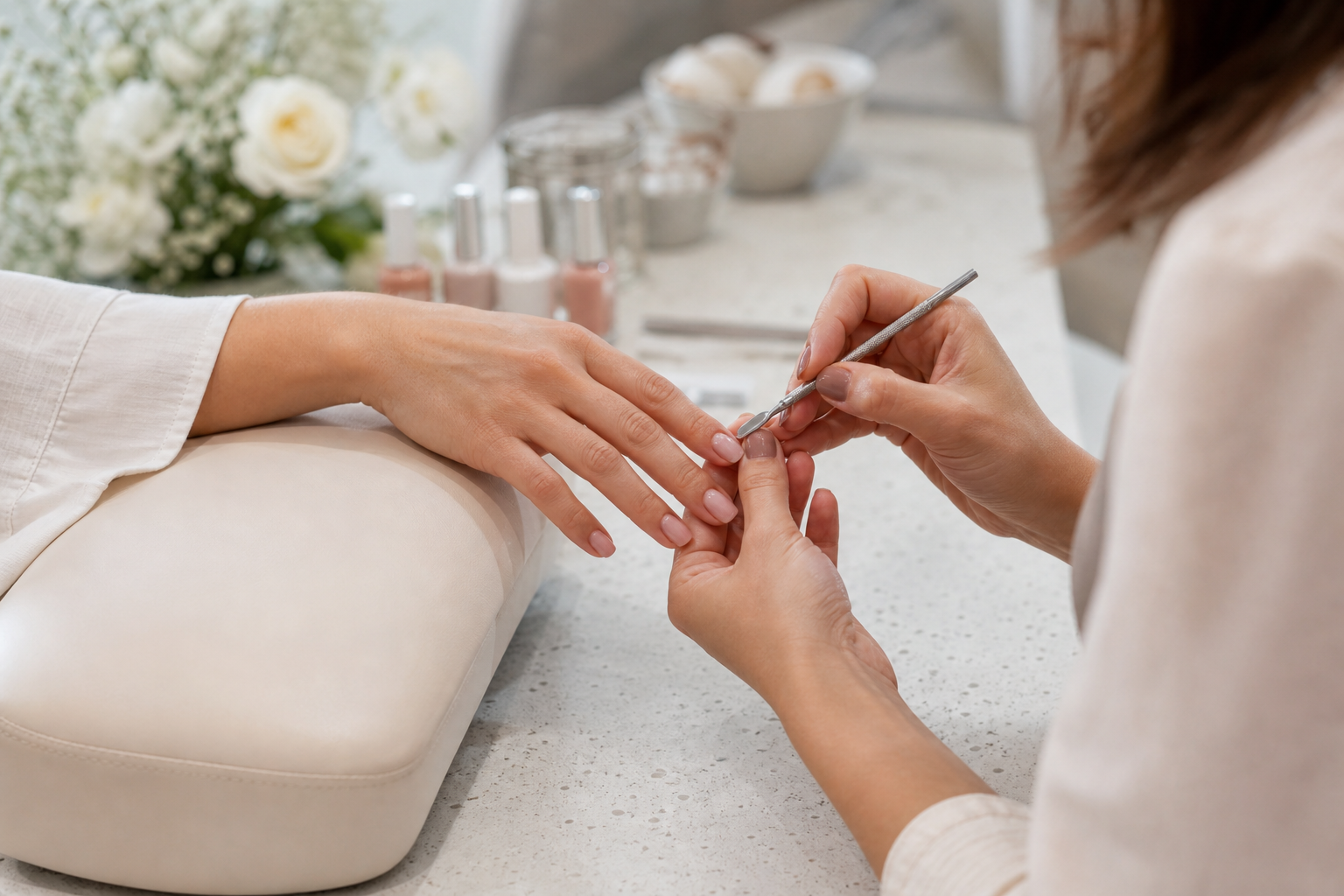
Meticulous hygiene and safety practices are paramount in nail enhancement procedures to prevent adverse reactions or infections. Before applying either acrylic gel or polygel, thorough cleaning and gentle preparation of the natural nails are necessary. Avoiding excessive abrasion maintains nail plate integrity, reducing vulnerability to damage or infection.
Technicians must consistently use sanitized tools and high-quality, certified products to minimize chemical irritants and allergens. Clients with a history of dermatitis or allergies should be evaluated prior to treatment to allocate the safest material choice or avoid potentially harmful procedures.
Both acrylic gel and polygel contain chemical components that require careful handling, including appropriate ventilation and avoidance of direct skin contact. Adhering to structured protocols for application and removal helps maintain the health and appearance of natural nails while delivering durable enhancements.
Managing Expectations: Durability, Limitations, and Maintenance of Nail Enhancements
Neither acrylic gel nor polygel provides a permanent solution but rather a protective and decorative augmentation requiring conscientious upkeep. While both materials offer enhanced resistance to breakage, their longevity depends on post-treatment care, client habits, and regular salon visits for infills or repairs typically every two to three weeks.
Understanding that water exposure, harsh chemicals, and mechanical trauma can prematurely degrade any nail enhancement assists clients in maintaining their manicure longer. Neither method arrests the natural growth or potential disorders of the nail bed; such conditions may necessitate medical consultation to ensure that enhancements do not mask or exacerbate underlying issues.
Communicating realistic outcomes and aftercare responsibilities before treatment is fundamental to client satisfaction and the health of their nails. By providing clear guidance, nail professionals empower clients to make choices consistent with their lifestyle and expectations.
Customized Consultation and Preparation for Successful Nail Enhancement Sessions
An individualized consultation enables nail professionals to assess nail health, discuss preferences, and select the most appropriate material and technique. Gathering detailed client history, including previous allergic reactions and lifestyle considerations, ensures personalized care plans that optimize results and reduce risks.
Preparing nails involves cleaning, shaping, and sometimes gentle buffing, creating a balanced surface that promotes adhesion without compromising nail strength. This foundational step cannot be overstated as improper base preparation often leads to lifting or premature failure of the enhancement.
Communicating treatment duration, maintenance schedules, and potential sensations during and after application further aligns client expectations with achievable outcomes. This professional dialogue builds trust and contributes to consistent satisfaction with the enhancement process.
Key Factors Influencing the Choice Between Acrylic Gel and Polygel
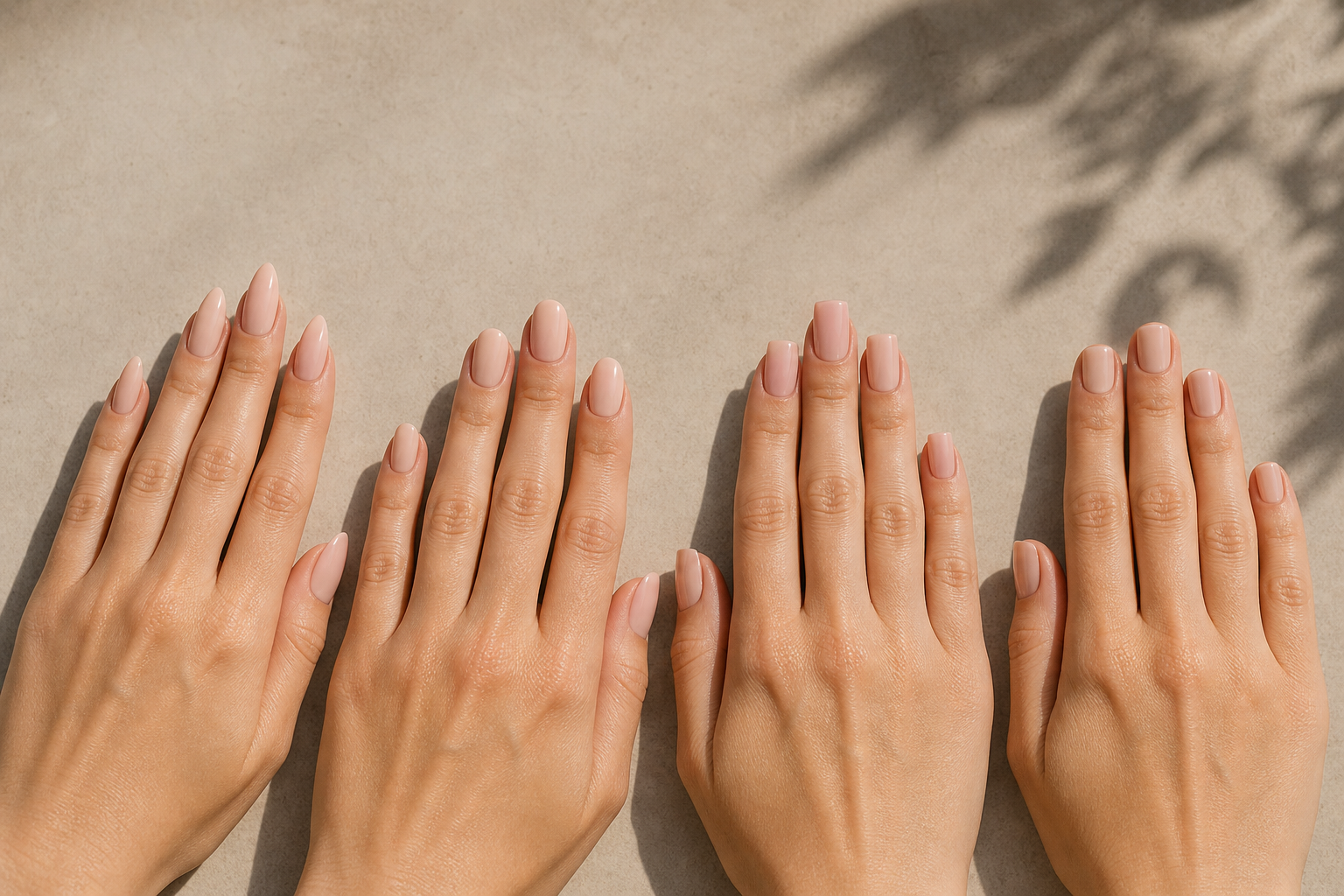
Choosing between acrylic gel and polygel involves weighing multiple factors related to client lifestyle, nail condition, aesthetic goals, and budget. Those requiring highly robust, impact-resistant nails may lean towards acrylic gel for its known durability and fast curing. Conversely, clients desiring a lighter feel and softer finish might prefer polygel.
Economic considerations also play a role as costs of materials, time investment, and maintenance frequency vary. Additionally, the nail technician’s proficiency with each material can significantly affect the quality and longevity of the result, emphasizing the importance of skilled application.
Ultimately, the decision should balance these dimensions within the context of informed professional advice, ensuring the chosen enhancement complements the client’s unique needs and nail health.
Minimalizing Risks Through Technical Precision and Skilled Application
The complexity of nail enhancement transcends the material itself; it hinges on the technical prowess of the professional. Precise application involves layering the product to achieve the correct thickness and contour while avoiding excessive bulk that can stress the natural nail or detract from aesthetics.
Knowledge of chemical reactions and optimal curing times for each product ensures full polymerization, which directly influences the durability and safety of the enhancement. Misapplication can lead to lifting, cracking, or even allergic reactions, underscoring the need for both theoretical understanding and practical skill.
Periodical training and staying updated with evolving formulations allow nail technicians to uphold high standards that protect client safety and satisfaction. This dedication results in enhancements that are both visually pleasing and long-lasting.
Enhancing Nail Care After Acrylic Gel and Polygel Application for Lasting Results
Post-application care is a determining factor in the endurance and health of nail enhancements. Clients should avoid aggressive detergents and solvents without protective gloves and prioritize moisturizing their cuticles and nail beds daily. Incorporating nourishing oils and gentle massaging stimulates circulation and supports nail vitality.
Timely professional infills or corrections prevent issues such as lifting or overgrowth complications, which can compromise enhancement stability. Monitoring for early signs of nail distress allows intervention before significant damage occurs, preserving both natural and enhanced nail integrity.
By adopting a holistic care routine tailored to their chosen material, clients enjoy the maximum benefits of acrylic gel or polygel enhancements with fewer interruptions and enhanced nail health.